Categories Wood Fencing

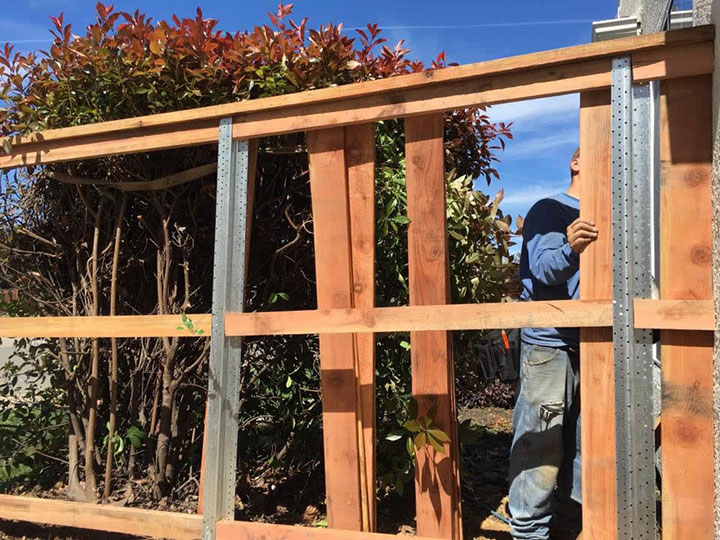
Master Halco PostMaster+ Steel Posts

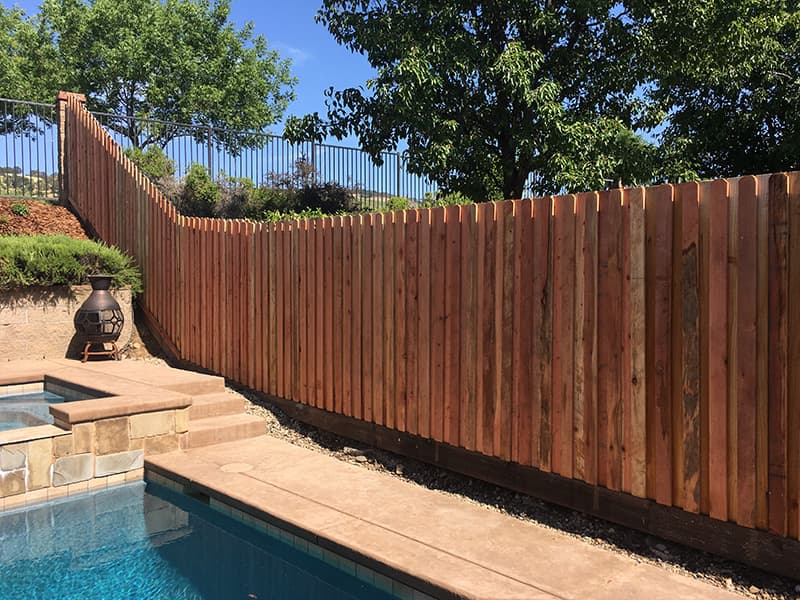
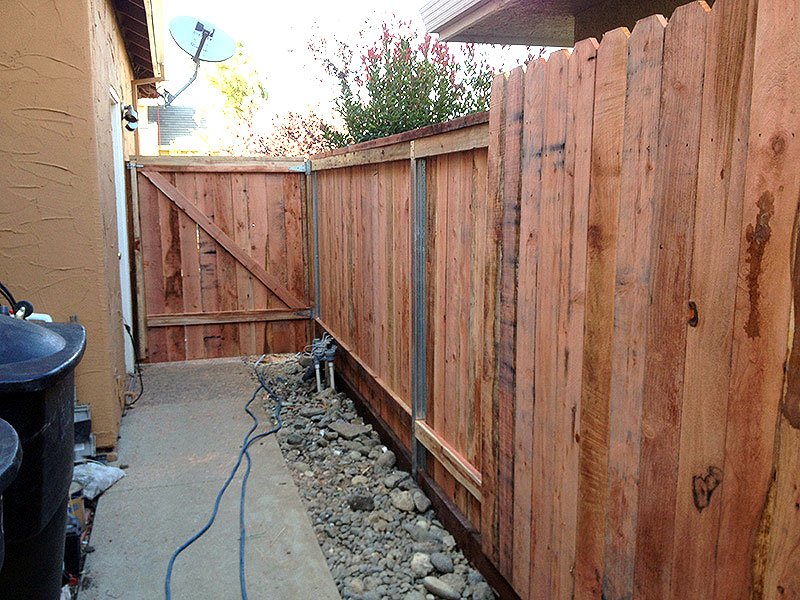
Wood fence built for residential property

After more than 20 years installing fences, I have heard just about every concern a homeowner can have. Fences that lean. Fences that sag. Fences that look great on Day One and look tired just a few years later. And when I trace almost all of those problems back to their source, I end up at the same place every single time: the posts.

Not the pickets. Not the rails. The posts.

It is the part of the fence you never really see once the job is done — and it is the part that dictates how long your entire investment lasts. A beautiful cedar privacy fence is only as good as what is holding it up. If the posts fail, the fence fails. Period.

That is why I made the decision a while back to recommend Master Halco PostMaster+ steel posts for every wood fence I build. My customers ask about it, and I am happy to explain. This post covers exactly what Master Halco is, what makes the PostMaster+ system different, and why I think it is the smartest upgrade any homeowner can make when investing in a new wood fence.

Who Is Master Halco?

If you are not in the fencing industry, you may not have heard of Master Halco — and that is actually by design. They are a wholesale supplier, meaning they primarily sell to professional fence contractors rather than directly to the public. But that does not make them any less important to your project.

Master Halco has been the fencing industry’s leading manufacturer and wholesale distributor since 1961. They are North America’s top name in perimeter security and fencing supplies, and they supply thousands of professional contractors and building material retailers across the continent. When your fence contractor sources materials from Master Halco, you are getting commercial-grade product — the same caliber of materials used on commercial, industrial, and high-security installations.

Their lineup covers vinyl, wood, ornamental, chain-link, and automated gate systems for every application imaginable. But for the residential wood privacy fences I build in and around the Sacramento area, one product line stands well above the rest.
The Problem With Traditional Wood Posts

I want to be honest with you here, because you deserve a straight answer: standard 4×4 pressure-treated wood posts are the weakest link in a wood fence. Always have been.

They look fine going in. But once that post is sitting in wet soil and a concrete footing, moisture starts working on it from the bottom up. The wood absorbs water, softens, and begins to decay right at the ground line — which happens to be exactly where the post bears the most stress. Over time, it warps, it twists, and eventually it snaps. You end up with a fence that leans, sags, and eventually falls over.

I have replaced hundreds of wood posts over the years. It is not a quick fix. You are digging up hardened concrete, re-setting posts, trying to match an existing fence line without disturbing the rest of the structure. It is expensive, it is disruptive, and the worst part? It is completely preventable.

PostMaster+: The Steel Post That Disappears

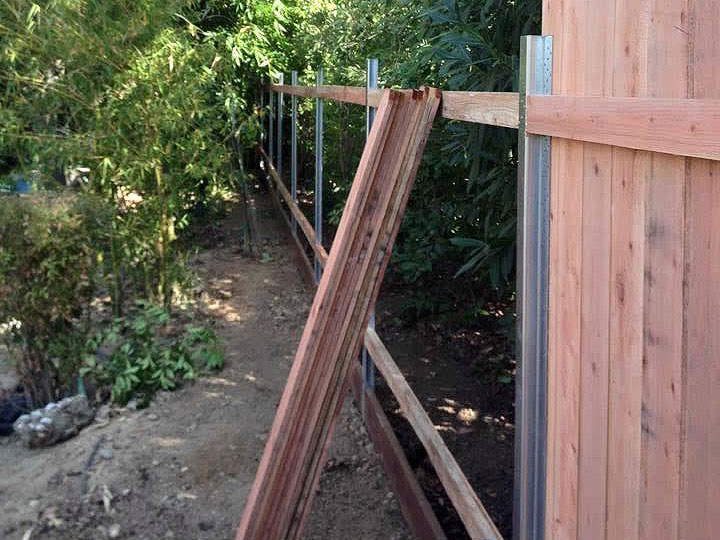
The PostMaster+ system from Master Halco solves the wood rot problem at the source. These are heavy-duty structural steel posts, heavily galvanized to resist rust and corrosion. Steel does not rot. It does not warp. It does not snap at ground level when a storm comes through.

Now, I know what you might be thinking. Steel posts mean round galvanized pipe — that industrial look that stands out like a sore thumb in a nice residential backyard. Nobody wants that, and nobody should have to accept it.

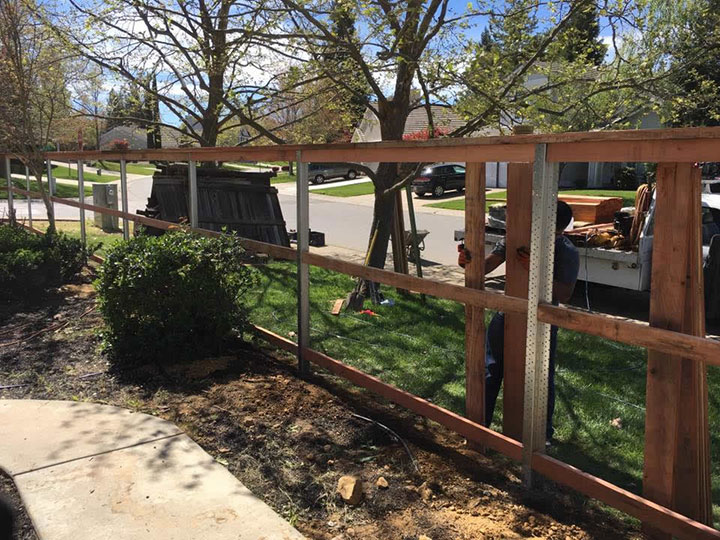
Here is what makes PostMaster+ genuinely different: the post is engineered to be completely invisible. It has a patented inline profile — a narrow, stepped steel design that allows your wood rails and pickets to fasten directly onto the post on both sides, just like they would to a wood post. When the fence is finished, the steel is completely covered by wood on both sides. From the street, from your neighbor’s yard, from anywhere — it looks like a 100% wood fence. Same look. No compromise on aesthetics.

And when a serious storm hits? PostMaster+ posts are certified to handle wind loads up to 73 miles per hour without bending or warping. A standard wood post will not give you that kind of confidence.

See It In Action

Master Halco does a great job of showing how the PostMaster+ system works in the real world. Take a look at this video — it gives you a clear picture of what makes this product different from anything else on the market.

The Long-Term Value Is Real

PostMaster+ posts do cost a bit more than standard 4×4 pressure-treated wood. But when I talk to customers about the real cost of a fence over 10 or 15 years, the math is undeniable.

  • No post replacements. The most expensive service call I make is digging out a rotted post. With steel posts, that call never happens. That alone can easily offset the upfront cost difference.
  • Your wood components last longer. When the structural backbone of your fence stays perfectly straight, your rails and pickets take less mechanical stress over time. The whole fence simply holds up better, longer.
  • Curb appeal that stays. A fence that remains upright and warp-free years down the road continues to add value to your property — not just aesthetically, but from a security and resale standpoint as well.
  • Peace of mind. I have been doing this for over two decades. The calls I dread are the ones where a homeowner invested good money in a fence and is already dealing with problems. PostMaster+ is how I avoid making those calls.

Learn More About Master Halco

Master Halco puts out a lot of great product and installation content. If you want to do your own research before we talk, here are their official channels:

Website masterhalco.com
YouTube youtube.com/@MasterHalcoFencing
Facebook facebook.com/MasterHalcoFencing

Ready to Talk About Your Fence Project?

If you are planning a wood privacy fence and you want it built right the first time, I would love to walk you through your options. At A Better Fence Company, I use Master Halco materials because I stand behind every fence I build — and that means starting with a foundation designed to last.

Ask me about PostMaster+ on your next project. You will be glad you did.

Scott Gregory, A Better Fence Company Inc
(916) 417-5585
Categories Wood Fencing

Popular Redwood Fence Styles

Wood Fence Contractor

Redwood Fence Styles Popular in Sacramento Homes

One of the first things I hear from homeowners when they call me is some version of: “I know what I want it to look like. I just don’t know what it’s called.” That’s completely normal. Most people aren’t thinking in fencing terminology when they scroll through photos of their neighbor’s yard or browse ideas online. They just know they want something that looks right, holds up, and actually gives them the privacy they’re after.

I’ve been building fences in the Sacramento area since 2004, serving Sacramento, Placer, and El Dorado Counties, and redwood is still the material I use most often for residential work. It weathers well in our climate, it’s naturally resistant to insects and decay, and it looks good for a long time when it’s built correctly. But the style you choose matters just as much as the material, and there are more options than most people realize.

Here’s a rundown of the redwood fence styles I install most often, and what makes each one a good fit for different properties and priorities.

Dog-Ear Fencing

This is the most common wood fence style you’ll see across Sacramento neighborhoods, including Elk Grove, Citrus Heights, Rancho Cordova, and just about everywhere else. Dog-ear fencing gets its name from the notched corners at the top of each picket, which gives the fence a clean, softened profile instead of a sharp point.

It’s a straightforward, cost-effective option that delivers solid privacy and a tidy appearance without a lot of fuss. If you want a dependable fence that fits the neighborhood and doesn’t require a lot of decision-making, dog-ear is usually where I start the conversation.

The simplicity is part of what makes it durable, too. There’s less surface area for weather to work against, and the uniform picket spacing makes it easy to build consistently.

Board-on-Board Fencing

Board-on-board is my most-requested privacy fence style, and for good reason. Instead of pickets placed side by side, the boards alternate, one on the front of the rail and one on the back, overlapping slightly down the entire run of the fence. The result is zero gaps, even as the wood naturally expands and contracts through Sacramento’s dry summers and wet winters.

It also has a nice visual quality to it. The alternating depth gives the fence a little texture and dimension that a flat dog-ear fence doesn’t have. From the street, it looks substantial. From your yard, you actually get the privacy you paid for.

I build a lot of board-on-board fences in El Dorado Hills, Folsom, and the Roseville/Rocklin corridor, where homeowners tend to have more invested in their properties and want a fence that reflects that. It’s a solid upgrade over standard dog-ear without being significantly more expensive.

Horizontal Modern Fencing

This style has gotten a lot more popular over the last several years, particularly in newer construction neighborhoods and among homeowners doing full landscape renovations. Instead of vertical pickets, the boards run horizontally, usually in a clean, evenly spaced pattern that gives the fence a contemporary, architectural look.

Horizontal fencing pairs well with modern home designs, clean-lined landscaping, and low-water yards. In areas like El Dorado Hills, Cameron Park, and newer parts of Lincoln and Auburn, where the homes themselves have a more current aesthetic, horizontal redwood fencing tends to integrate really naturally into the overall look of the property.

One thing worth knowing: horizontal fencing requires more careful attention to structural support, since the boards span between posts differently than vertical pickets do. The post placement and rail system matter more here. Built right, though, it holds up just as well as any other style and adds real curb appeal.

Cap and Trim Fencing

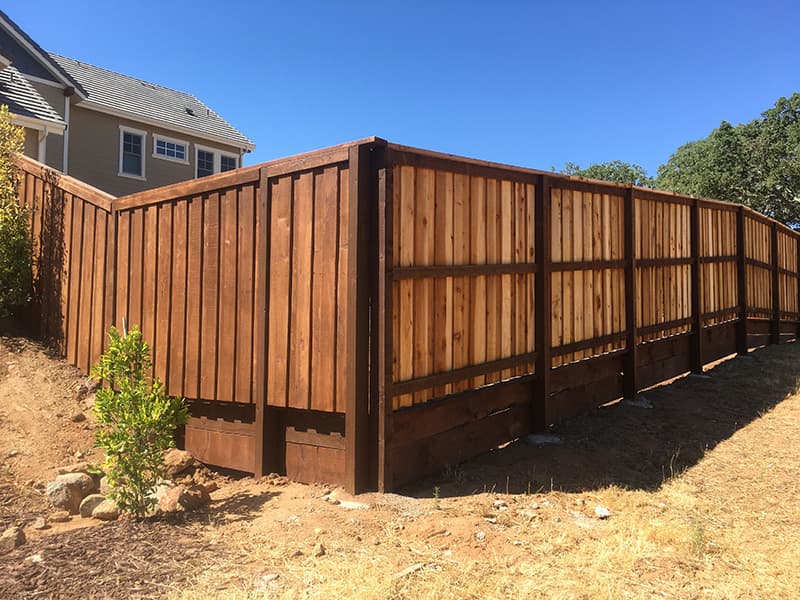
Cap and trim takes a standard fence and finishes it at a higher level. A horizontal cap board runs along the top of the fence, and trim boards frame the rails, giving the whole structure a more finished, polished appearance. Think of it as the difference between a painted room with plain drywall edges versus one with clean baseboard and crown molding. Same room, very different impression.

I install cap and trim fences for homeowners who want their fence to feel intentional rather than purely functional. It works especially well on larger properties, along front yard entries, or anywhere the fence is going to be highly visible. The added trim also provides some practical benefit; it protects the top of the fence from direct weather exposure, which can help extend the life of the pickets over time.

If you’re comparing options and want something that looks distinctly custom without going into an entirely different price category, cap and trim is often the right middle ground.

Good Neighbor Fencing

This one comes up often in conversations about shared fence lines, which is the majority of residential fence projects. A good neighbor fence, sometimes called a “shadow box” fence, is built so that both sides of the fence look finished. The pickets alternate front and back along the rails, the same as board-on-board, but with gaps between them rather than overlapping. From either side of the property line, the fence looks the same.

It’s a particularly practical choice when you’re splitting the cost with a neighbor, or when the fence borders a shared space and both sides of the fence will be visible regularly. A lot of the fence projects I do in Sacramento, Loomis, and Granite Bay involve some version of this conversation: who pays for what, and what does each side look like. Good neighbor fencing solves that second question cleanly.

The style also allows for some airflow and light through the gaps, which can be a benefit in tight yards or along garden beds where you don’t want a completely solid wall.

Choosing the Right Style for Your Property

The right fence style comes down to a few things: your privacy goals, your property layout, the aesthetic of your home, and your budget. Those four factors together usually point pretty clearly in a direction. If you’re not sure where to start, our Fence Buyer’s Guide walks through the key decisions in plain terms, and our FAQ covers the questions I hear most often.

For a closer look at the redwood options we build, visit our Wood Fencing page, which includes photos from completed installations across the region.

I’ve been doing this long enough to know that a good fence starts with a good conversation. If you’re in Sacramento, Placer, or El Dorado County and you’re ready to figure out what makes sense for your property, I’m happy to come take a look. Request a free estimate online, or text or call me directly at (916) 417-5585.

Scott Gregory, A Better Fence Company Inc

Categories Wood Fencing

Wood Fence Upgrades

Wood Fence Contractor

Wood Fence Upgrade Options That Improve Appearance and Longevity

When homeowners start comparing fence bids, the conversation usually comes back to price pretty quickly. That’s understandable. But what I’ve seen over more than 20 years of building fences across Sacramento, Placer, and El Dorado Counties is that the cheapest fence rarely turns out to be the best value. The difference usually comes down to a handful of decisions made during the build, most of which don’t dramatically change the price but significantly change how the fence looks and how long it lasts.

Here are the upgrades I talk through with most of my customers, and what each one actually does for the finished product.

Steel Posts Inside Wood Sleeves

The posts are the foundation of any fence. Everything else is attached to them, so if the posts fail, the fence fails. Wood posts set in concrete will eventually deteriorate at ground level, where moisture, soil contact, and seasonal movement do the most damage. When a post goes, it usually takes a section of fence with it.

Steel posts solve that problem. The steel is set in concrete for a rigid foundation, and a wood sleeve fits over the outside so the fence still looks like a traditional wood fence from every angle. You get the appearance of a wood post with the structural performance of steel. I use a system from Z Post on most of my builds, and the difference in long-term durability is significant. In areas like Folsom, El Dorado Hills, and Granite Bay, where property values are high and homeowners expect fences that hold up, steel posts are one of the first upgrades I recommend.

It’s also worth noting that posts are the least expensive component of a fence relative to what they do. Investing a little more in the foundation is almost always the right call.

Rot Boards

A rot board, also called a kickboard, is a pressure-treated board installed horizontally along the base of the fence, between the posts and just above ground level. The pickets sit on top of it rather than directly in contact with the soil.

Ground contact is where wood fences start to fail first. Moisture wicks up from the soil, insects find easy entry points, and the bottom of the pickets begin to deteriorate long before the rest of the fence shows any wear. A rot board takes that abuse instead, and because it’s pressure-treated, it holds up far better than standard redwood at grade. When it eventually needs replacing, it’s a straightforward repair that doesn’t require pulling the entire fence apart.

For homeowners in Citrus Heights, Rancho Cordova, or anywhere else with clay-heavy soil that holds moisture, a rot board is close to essential. I include it in most of my builds as a standard recommendation.

Decorative Lattice Tops

Adding a lattice section above the main fence body is one of the more visible upgrades available, and it does a couple of things at once. It increases the overall height of the fence, which adds privacy, and it does so in a way that lets light and air through rather than creating a solid wall. The open pattern also gives the fence a more finished, intentional look that reads well from the street.

Lattice tops work particularly well on cap and trim fences, where the framing of the main fence body carries through naturally into the lattice section above. I install these often in Sacramento neighborhoods where homeowners want additional screening from a second-story line of sight without the fence feeling heavy or imposing from the outside.

Cap and Trim Systems

A cap board along the top of the fence and trim boards along the rails give the finished product a level of detail that a basic fence simply doesn’t have. The cap protects the top of the pickets from direct rain exposure, which is one of the first places weathering shows up. The trim pulls the whole structure together visually, covering the rail faces and giving the fence clean, defined lines.

Beyond the aesthetics, a well-built cap and trim system adds structural reinforcement to the fence. The cap ties the tops of the pickets together across each bay, which reduces movement and helps the fence hold its shape over time. For homeowners in Rocklin, Lincoln, or Auburn who are investing in a full yard renovation, cap and trim is often what separates a fence that looks custom from one that looks standard.

Premium Hardware

Hardware is easy to overlook because it’s a small part of the overall cost, but it has an outsized effect on how the fence performs and how long it stays looking right. I use hot-dipped galvanized ring shank nails for the pickets and galvanized fasteners throughout the structural components. These resist corrosion far better than standard fasteners, which means no rust streaking down the fence face as the years go by.

For gates, the hardware choice matters even more. Heavy-duty hinges, properly installed, keep gates aligned and swinging correctly. Lightweight hinges sag. Once a gate starts to sag, the latch stops working properly, and the gate starts dragging. Spending a few dollars more on the right hinges at the start avoids that problem entirely.

Gates and Locking Systems

A gate is the most-used part of any fence, and it deserves the same attention as the rest of the build. Walk gates, drive gates, and double drive gates are all options I build regularly, and each one needs to be framed and hung correctly to operate well long-term. A gate that’s built square, hung on solid posts, and fitted with quality hardware will open and close smoothly for years. One that’s framed too light or hung on posts that weren’t set properly will give you problems quickly.

Locking systems are worth thinking through at the time of installation as well. Options range from simple thumb latches to keyed locks and slide bolts, and the right choice depends on the gate’s location and purpose. A side yard gate with dog access has different needs than a front entry gate. Getting the hardware right the first time is easier than retrofitting it later.

Building It Right From the Start

None of these upgrades are extravagant. Most of them are modest additions to the overall cost of a fence project, but they compound into a finished product that looks noticeably better and holds up significantly longer. If you’re trying to think through what makes sense for your property, our Fence Buyer’s Guide is a good starting point, and our build process page explains how we approach each project from estimate through installation.

For a closer look at the wood fencing options and materials we work with, visit our Wood Fencing page. And if you’re in Sacramento, Placer, or El Dorado County and ready to talk through what the right build looks like for your property, request a free estimate or text or call me directly at (916) 417-5585.

Scott Gregory, A Better Fence Company Inc